Hot working bending is a metal fabrication process used to shape thick or high-strength steel plates that are difficult to bend at room temperature. By heating the steel to a controlled temperature, the material becomes more ductile, allowing it to be formed with less force while reducing the risk of cracking. This technique is widely used in shipbuilding, bridge construction, heavy machinery, pressure vessels, and structural steel fabrication.
Step 1: Select the Steel Plate
Begin by selecting a steel plate that meets the project specifications for thickness, grade, and mechanical properties. Inspect the plate for cracks, rust, or surface defects that could affect the bending process. Verify the dimensions before fabrication to ensure the finished component meets design requirements.
Step 2: Mark the Bending Line
Measure and mark the exact bending location using a measuring tape, straightedge, and marking chalk. Double-check all dimensions and bend angles against the engineering drawings. Accurate marking minimizes errors and ensures the final product fits correctly during assembly.
Step 3: Prepare the Work Area
Clean the work area and position the steel plate securely on heat-resistant supports. Ensure all heating equipment, bending machines, and safety devices are in proper working condition. Remove flammable materials from the surrounding area and establish adequate ventilation for safe operation.
Step 4: Heat the Steel Plate
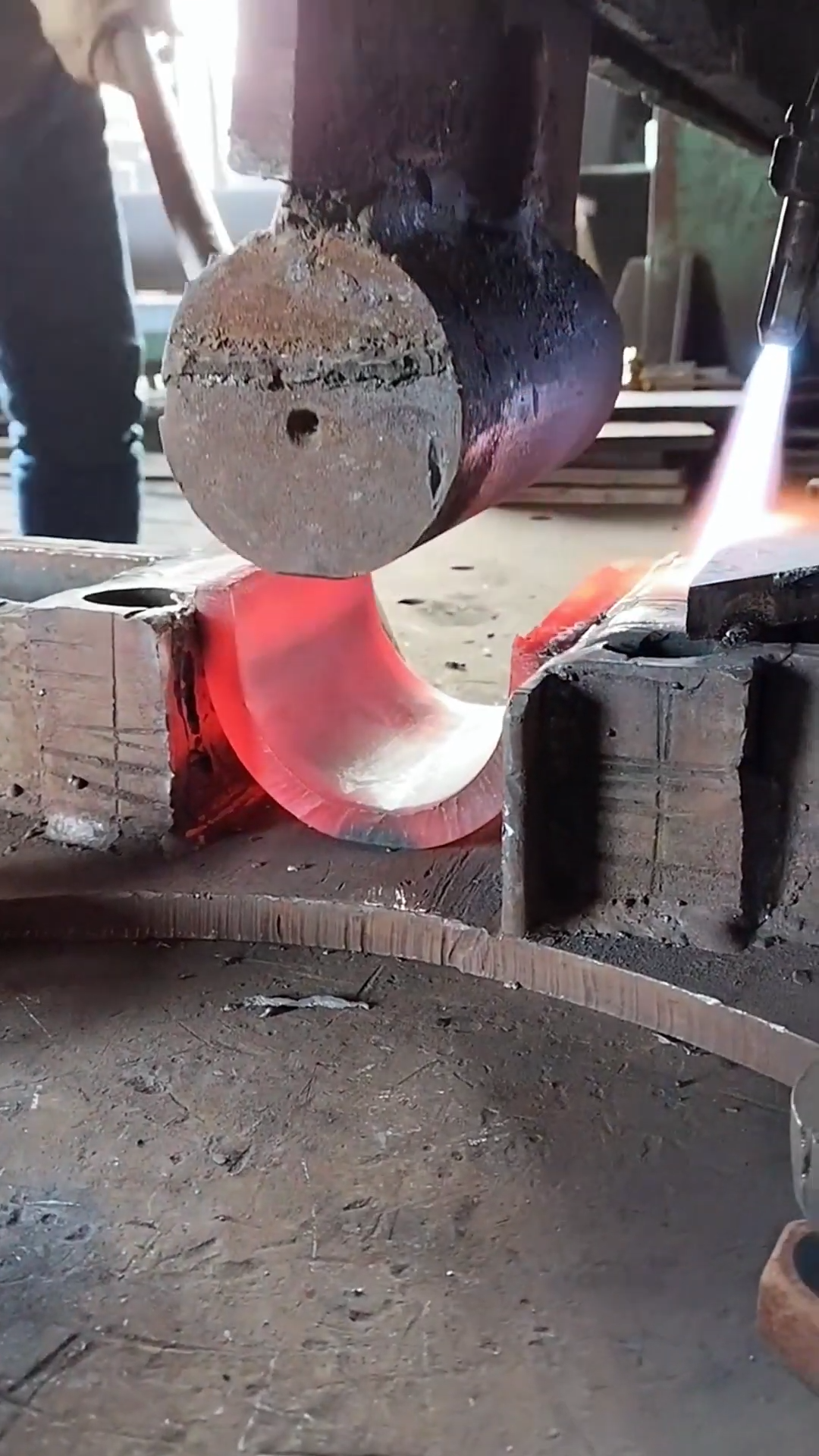
Apply heat evenly along the marked bending line using a gas torch, induction heater, or industrial furnace. Raise the steel to the recommended forming temperature based on its material grade. Uniform heating is essential to prevent uneven expansion, excessive distortion, or thermal stress. Monitor the temperature continuously to avoid overheating.
Step 5: Position the Plate in the Bending Machine
Once the desired temperature is reached, transfer the heated plate carefully to the hydraulic press brake or bending machine. Position the bending line directly over the forming die and clamp the plate securely. Proper positioning ensures consistent bending accuracy and prevents movement during forming.
Step 6: Perform the Hot Bend
Activate the hydraulic press gradually to apply steady pressure. The heated steel plate bends smoothly around the die with reduced forming resistance. Monitor the bend angle throughout the operation and make adjustments as necessary to achieve the required dimensions. Avoid sudden or excessive force that could deform the material.
Step 7: Inspect the Bend
After bending, remove the plate from the machine and inspect the formed section carefully. Check the bend angle, radius, and overall dimensions using measuring tools. Look for cracks, wrinkles, excessive thinning, or surface damage. Minor adjustments can be made while the steel remains at an elevated temperature if required.
Step 8: Cool the Steel
Allow the bent steel plate to cool gradually in still air unless a specific heat-treatment procedure requires controlled cooling. Avoid rapid quenching unless specified by the material standard, as sudden cooling may introduce internal stresses or alter the steel’s mechanical properties. Controlled cooling helps maintain structural integrity.
Step 9: Finish the Surface
Remove oxidation, scale, and discoloration created during heating using wire brushes, grinders, or abrasive blasting equipment. Smooth rough edges and clean the finished surface thoroughly. If required, apply protective coatings, primer, or paint to improve corrosion resistance and prepare the component for service.
Step 10: Perform Final Quality Inspection
Complete a comprehensive inspection of the finished steel plate. Verify all dimensions, bend angles, and surface quality according to engineering specifications. Confirm that no visible defects or excessive distortion are present. Record inspection results and prepare the component for installation or shipment. Regular maintenance of heating equipment, hydraulic presses, and measuring tools ensures consistent bending accuracy, improves production efficiency, reduces material waste, and extends the service life of fabrication equipment. Following proper hot working bending procedures produces strong, precise, and reliable steel components suitable for demanding industrial and structural applications.