Hydraulic wood splitting is an efficient method for cutting large logs into manageable firewood or construction timber. By using hydraulic pressure, a wood splitter delivers tremendous force to push a log against a hardened steel wedge, producing clean and consistent splits with minimal physical effort. Following the proper process improves productivity, enhances safety, and extends the life of the hydraulic equipment.
Step 1: Prepare the Work Area
Choose a flat, stable, and well-ventilated workspace with enough room to handle large logs safely. Remove loose branches, rocks, and debris that could create tripping hazards. Keep bystanders away from the operating area and ensure adequate lighting if working indoors or during low-light conditions.
Step 2: Inspect the Hydraulic Wood Splitter
Before starting, inspect the hydraulic wood splitter carefully. Check the hydraulic fluid level, hoses, fittings, cylinder, and pump for leaks or damage. Examine the steel wedge for cracks, excessive wear, or dull edges. Verify that all guards, controls, and emergency stop features function properly before operating the machine.
Step 3: Wear Proper Safety Equipment
Put on the appropriate personal protective equipment before handling logs or operating the splitter. Wear safety glasses, heavy-duty work gloves, steel-toe boots, and hearing protection if the machine is powered by a gasoline engine. Avoid loose clothing or jewelry that could become caught in moving parts.
Step 4: Position the Log
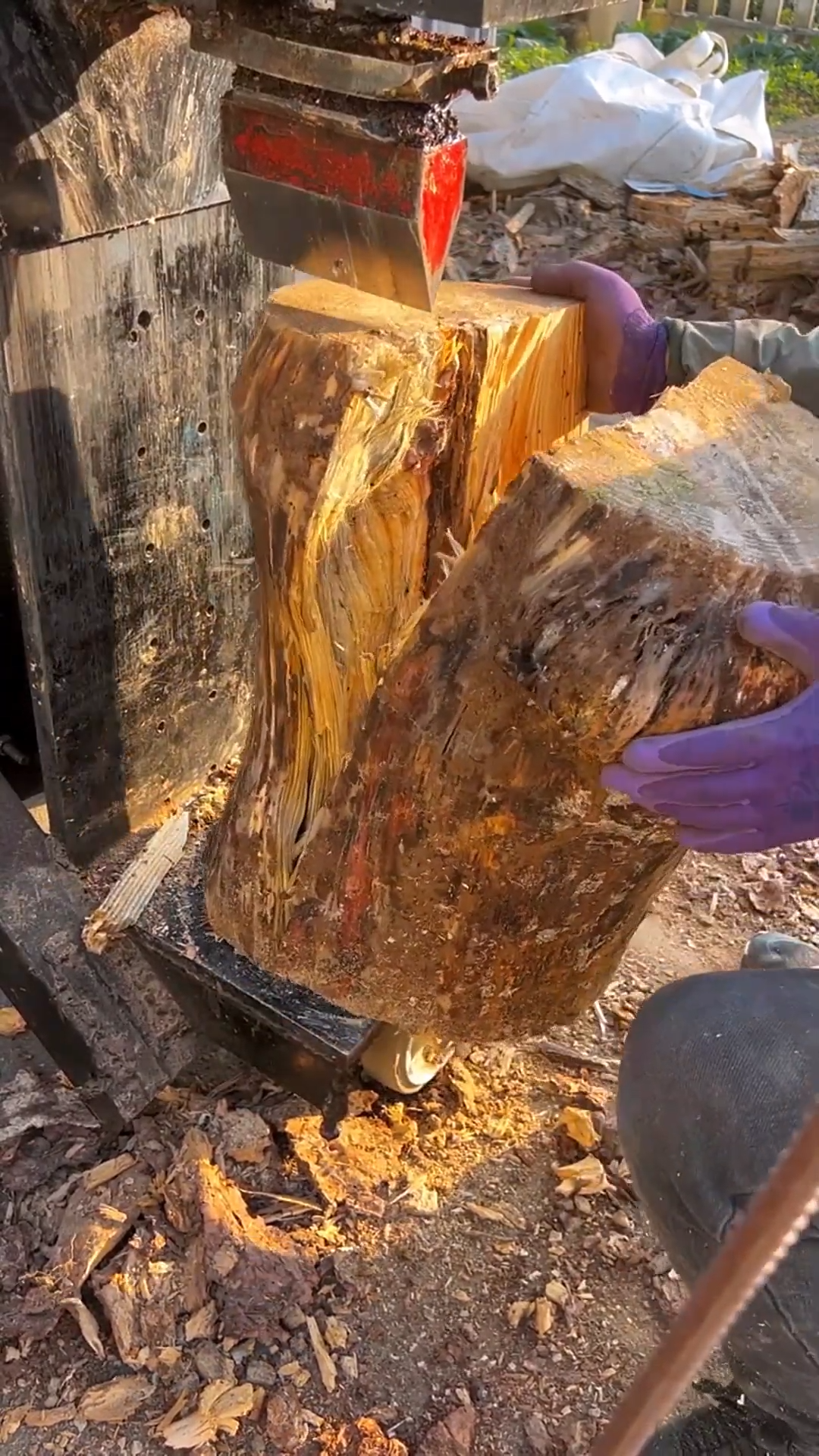
Lift the log carefully and place it securely on the splitter’s beam. Position the log so the end grain faces the splitting wedge. Center the log to keep it stable during operation. For irregular or twisted logs, adjust the position to prevent rolling or shifting while hydraulic pressure is applied.
Step 5: Start the Hydraulic System
Start the engine or electric motor according to the manufacturer’s instructions. Allow the hydraulic system to build operating pressure before engaging the control lever. Listen for smooth pump operation and check that the hydraulic cylinder moves freely without hesitation or unusual noise.
Step 6: Split the Wood
Move the control lever to extend the hydraulic ram. The ram pushes the log steadily toward the hardened steel wedge. As pressure increases, the wood fibers begin to separate until the log splits into two pieces. Maintain a safe distance from the splitting area and never place your hands near the wedge or moving ram during operation.
Step 7: Handle Large or Tough Logs
If a large log does not split completely on the first attempt, retract the ram and reposition the log before making another pass. Rotate knotty or twisted logs to find a natural splitting line. Avoid forcing severely damaged or metal-contaminated logs through the splitter, as they may damage the wedge or hydraulic components.
Step 8: Collect and Stack the Firewood
After each log is split, remove the pieces from the work area before processing the next log. Stack the split wood neatly in a dry location with adequate airflow to encourage proper seasoning. Organized stacking keeps the workspace clean and improves efficiency throughout the operation.
Step 9: Shut Down and Clean the Equipment
Once all logs have been processed, return the hydraulic ram to its fully retracted position. Turn off the engine or electric motor and release any remaining hydraulic pressure according to the manufacturer’s instructions. Remove bark, wood chips, and debris from the beam, wedge, and surrounding work area to prevent buildup and corrosion.
Step 10: Perform Routine Maintenance
Inspect the splitter after each use for loose bolts, hydraulic leaks, or worn components. Check the hydraulic fluid level regularly and replace the fluid and filter at the recommended service intervals. Lubricate moving parts, sharpen or replace the splitting wedge if necessary, and store the machine in a clean, dry location. Routine maintenance keeps the hydraulic wood splitter operating safely, maintains maximum splitting force, reduces downtime, and extends the service life of both the hydraulic system and mechanical components, ensuring reliable performance for many seasons of wood processing.