Hot melt welding is one of the most reliable methods for joining plastic pipes used in water supply, irrigation, drainage, and industrial piping systems. The process creates a strong, leak-proof connection by heating the pipe and fitting until they soften, then pressing them together to form a permanent bond. Proper preparation and careful execution ensure a durable joint with a long service life.
Step 1: Select the Correct Pipe and Fittings
Begin by choosing plastic pipes and fittings that are compatible with the hot melt welding process. Common materials include PPR, HDPE, and other thermoplastic pipes designed for heat fusion. Verify that the pipe diameter, pressure rating, and fittings match the project specifications before starting the installation.
Step 2: Prepare the Tools
Gather all the necessary equipment, including a hot melt welding machine, heating dies of the correct size, pipe cutter, measuring tape, marker, deburring tool, cleaning cloth, and safety gloves. Inspect the welding machine to ensure it is clean and operating properly before use.
Step 3: Measure and Cut the Pipe
Measure the required pipe length accurately using a measuring tape. Mark the cutting point with a permanent marker and cut the pipe squarely using a dedicated pipe cutter. A straight, clean cut helps produce a strong and evenly fused joint.
Step 4: Clean and Prepare the Surfaces
Remove burrs from the pipe end using a deburring tool or utility knife. Wipe both the pipe and fitting with a clean, lint-free cloth to remove dust, grease, moisture, and other contaminants. Clean surfaces improve fusion quality and reduce the risk of joint failure.
Step 5: Heat the Welding Machine
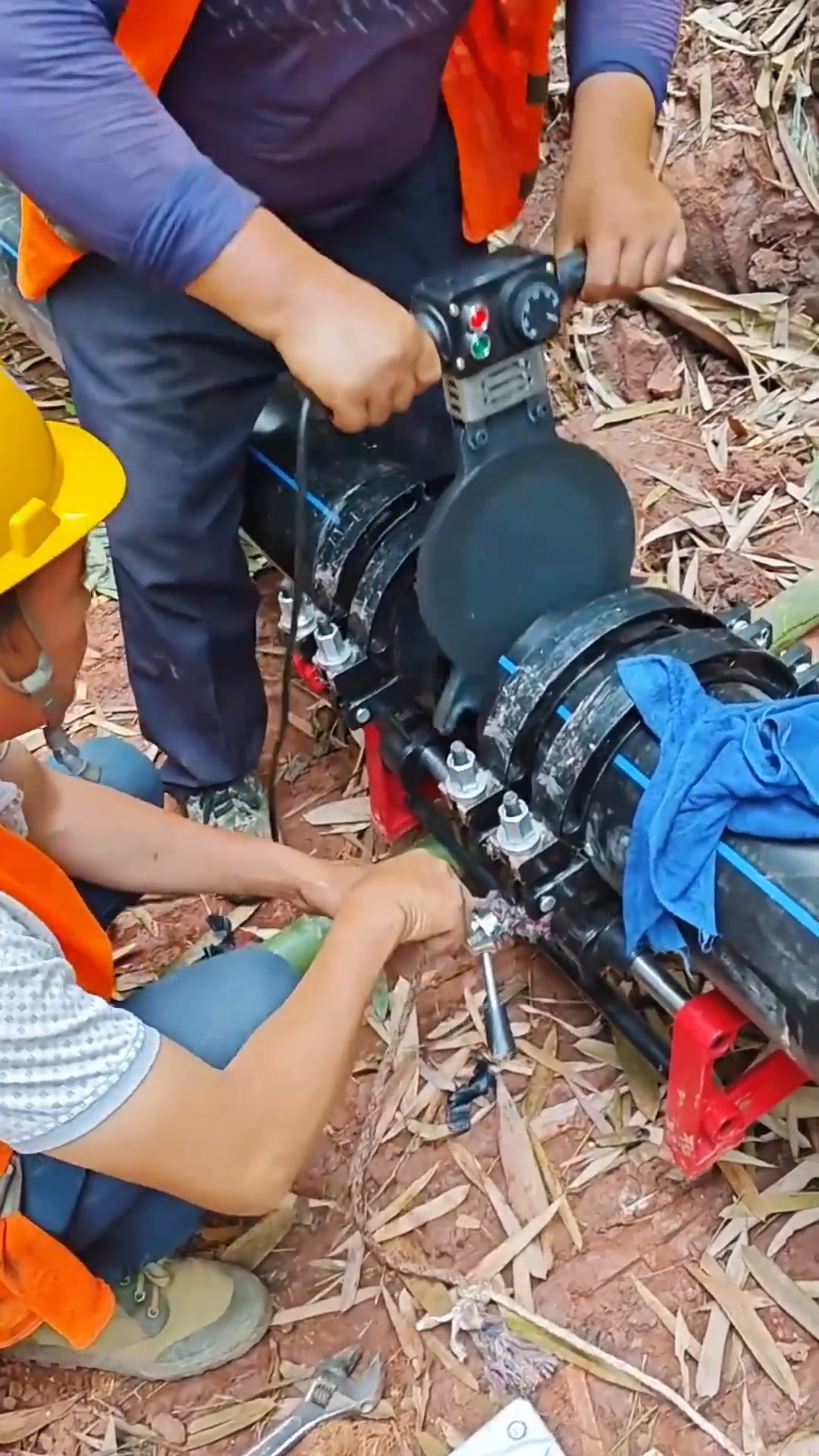
Install the appropriate heating dies onto the hot melt welding machine and switch on the power. Allow the machine to reach the recommended operating temperature according to the pipe manufacturer’s specifications. Most plastic pipe welding machines include a temperature indicator that confirms when the correct heating temperature has been reached.
Step 6: Heat the Pipe and Fitting
Insert the pipe end into the heating socket while simultaneously placing the fitting onto the matching heating mandrel. Apply steady pressure without twisting the components. Heat both pieces for the recommended time based on the pipe diameter. Proper heating softens the plastic evenly and prepares it for fusion.
Step 7: Join the Components
Remove the heated pipe and fitting from the welding machine quickly and align them immediately. Push the pipe straight into the fitting until it reaches the insertion depth mark. Do not rotate or twist the components during assembly, as this can weaken the weld. Hold the joint firmly until the plastic begins to solidify.
Step 8: Allow the Joint to Cool
Keep the welded connection completely still during the cooling period. Avoid applying force, bending, or moving the pipe until the joint has cooled naturally. Proper cooling allows the molten plastic to form a strong molecular bond between the pipe and fitting.
Step 9: Inspect the Weld
Examine the completed joint carefully for a smooth and even fusion bead around the fitting. Ensure the pipe remains fully inserted and correctly aligned. Look for gaps, cracks, or uneven welds that could indicate improper heating or assembly. If defects are found, replace the joint rather than attempting to repair it.
Step 10: Pressure Test and Final Inspection
After all welded joints have cooled completely, perform a pressure test according to the system requirements. Fill the pipeline with water or the specified test medium and gradually increase the pressure while inspecting every joint for leaks. Confirm that the entire piping system operates correctly before placing it into service. Clean the work area, remove excess materials, and store the welding equipment properly after use. Routine inspections, proper operating temperatures, accurate heating times, and careful handling help ensure strong, leak-free plastic pipe connections that provide reliable performance, excellent corrosion resistance, and long service life in residential, commercial, agricultural, and industrial piping applications.