Glass canopies have become one of the most popular architectural features in modern homes, commercial buildings, hotels, offices, and shopping centers. They provide protection from rain and sunlight while maintaining an elegant, open appearance. Unlike traditional metal or concrete awnings, glass canopies allow natural light to pass through, making entrances brighter and more inviting. One of the most important stages in manufacturing and installing a glass canopy is the glass glue process. This specialized procedure ensures that the glass panels remain securely attached to their supporting structure while providing durability, weather resistance, and a clean, seamless finish.
The canopy making glass glue process combines engineering precision, high-quality materials, and skilled craftsmanship. Every step, from preparing the surface to applying structural silicone adhesive, must be completed carefully to guarantee safety and long-lasting performance. Whether the canopy is installed at the entrance of a home, a restaurant, or a large commercial building, proper adhesive bonding plays a vital role in its overall strength and appearance.
Understanding Glass Canopies
A glass canopy is a protective overhead structure made primarily from tempered or laminated safety glass. These canopies are commonly supported by stainless steel brackets, aluminum frames, steel beams, or cable-supported systems. Modern architectural designs often favor frameless glass canopies because they create a sleek and minimalist look.
Glass canopies offer several advantages. They improve the appearance of a building, protect entrances from weather, allow daylight to enter, require minimal maintenance, and increase property value. Their transparent design also complements contemporary architecture while maintaining an unobstructed view.
Because glass is a heavy material, every connection between the glass and its supporting system must be designed carefully. This is where structural glass adhesives become extremely important.
Choosing the Right Glass
The first step in canopy manufacturing is selecting the appropriate glass type. Ordinary glass is not suitable because it can break into dangerous sharp pieces. Instead, manufacturers use safety glass.
Tempered glass is heat-treated to increase its strength. It is much stronger than regular glass and breaks into small, less dangerous fragments if damaged.
Laminated glass consists of two or more glass layers bonded together with a durable interlayer. Even if broken, the glass remains attached to the interlayer, reducing the risk of falling pieces. For overhead installations such as canopies, laminated tempered glass is often the preferred choice because it combines strength with safety.
The thickness of the glass depends on the canopy size, local building regulations, wind loads, and expected environmental conditions.
Preparing the Supporting Structure
Before the glass installation begins, workers fabricate and assemble the supporting frame. Stainless steel is widely used because it resists corrosion and maintains an attractive finish for many years. Aluminum is another popular material due to its lightweight properties and resistance to rust.
The frame must be precisely measured and aligned. Even a slight error in positioning can create uneven stress on the glass panels. Welded joints are carefully polished, and mounting brackets are checked for proper alignment before installation.
Surface preparation is equally important. All contact areas must be clean, dry, and free from oil, grease, dust, or rust. Proper cleaning ensures maximum adhesive performance.
Importance of Structural Glass Glue
The adhesive used for glass canopy installation is not ordinary household glue. Instead, manufacturers use high-performance structural silicone sealants specifically designed for architectural glazing.
Structural silicone provides excellent bonding between glass and metal while remaining flexible enough to absorb movement caused by temperature changes, wind pressure, and building expansion. Unlike rigid adhesives, silicone can accommodate slight movement without losing its bond.
Quality structural silicone also offers excellent resistance to ultraviolet rays, rain, humidity, and extreme temperatures. This durability allows glass canopies to remain safe and attractive for decades.
Surface Cleaning Before Bonding
Proper surface preparation is one of the most critical steps in the entire process. Even the strongest adhesive cannot perform well if applied to dirty surfaces.
Workers begin by removing dust using clean, lint-free cloths. They then clean both the glass edges and metal surfaces using approved cleaning solutions such as isopropyl alcohol or manufacturer-recommended cleaners.
Cleaning should always be performed in one direction to prevent contaminants from spreading back onto the surface. Fresh cloths are frequently used to avoid cross-contamination.
After cleaning, surfaces are allowed to dry completely before proceeding.
Applying Primer
Some structural silicone systems require a primer before adhesive application. The primer improves chemical bonding between the silicone and the substrate.
Workers apply a thin, even layer of primer using clean applicators. The primer must dry for the recommended period before silicone is applied. Skipping this step can reduce adhesion and compromise the strength of the finished installation.
Manufacturers always specify which primer is compatible with their adhesive products.
Preparing the Silicone Adhesive
Structural silicone usually comes in cartridges or bulk containers for professional dispensing equipment.
Before application, technicians inspect the expiration date and confirm that the adhesive has been stored under appropriate conditions. Expired or improperly stored silicone may not cure correctly.
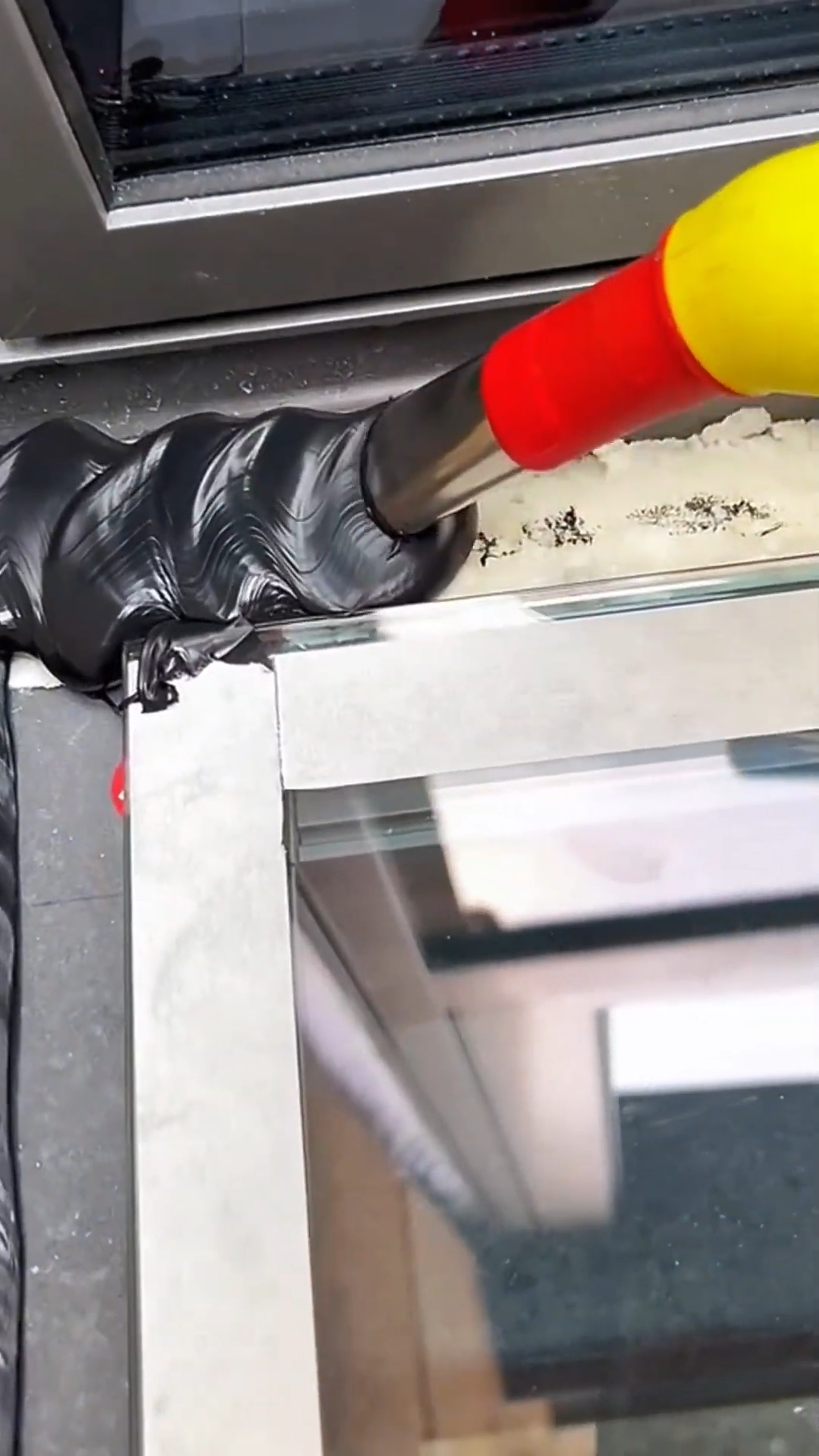
Professional installations often use pneumatic or electric dispensing guns that ensure consistent pressure and uniform adhesive beads.
Applying the Glass Glue
The adhesive application process requires precision and consistency. Workers apply continuous beads of structural silicone along the designated bonding surfaces.
The bead thickness must match engineering specifications. Applying too little adhesive may reduce structural strength, while excessive adhesive can create messy joints and uneven pressure distribution.
During application, workers avoid trapping air bubbles inside the silicone. Air pockets can weaken the bond and create potential failure points.
The silicone bead should remain continuous without interruptions to ensure waterproof sealing and consistent structural performance.
Positioning the Glass Panel
Once the adhesive is applied, the glass panel is carefully lifted using specialized vacuum lifting equipment.
Large glass panels are extremely heavy and require multiple trained workers or mechanical lifting devices for safe handling.
The panel is slowly positioned onto the supporting brackets while maintaining precise alignment. Small adjustments are made before the adhesive begins to cure.
Temporary spacers help maintain uniform gaps between panels and ensure consistent joint dimensions.
Curing Process
After installation, the silicone requires time to cure completely.
Curing time depends on several factors, including temperature, humidity, adhesive type, and joint thickness. While the outer surface may skin over within a short period, full structural curing may require several days.
During this period, the glass should not be subjected to excessive movement or heavy loads.
Protecting the installation during curing ensures the adhesive develops its full design strength.
Weather Considerations
Environmental conditions significantly affect adhesive performance.
Extremely cold temperatures can slow curing, while excessive heat may reduce working time during application. High humidity generally accelerates curing for many silicone products.
Rain should be avoided during installation because moisture and contaminants may interfere with proper bonding before the silicone skins over.
Professional installers carefully monitor weather forecasts before beginning large canopy projects.
Quality Inspection
After curing is complete, inspectors carefully examine the installation.
They check adhesive joints for uniformity, proper thickness, complete curing, and the absence of bubbles or gaps.
Glass panels are inspected for chips, scratches, or edge damage that may have occurred during handling.
Supporting brackets, fasteners, and frame alignment are also verified to ensure the entire system meets engineering specifications.
Waterproof Sealing
Besides structural bonding, silicone also serves as a weatherproof seal.
Additional sealing joints may be applied around glass edges to prevent water infiltration.
Proper sealing protects the supporting structure from corrosion and prevents leaks that could damage building interiors.
Neatly finished silicone joints also enhance the canopy’s visual appearance.
Safety Measures During Installation
Glass canopy installation requires strict safety procedures.
Workers wear safety helmets, gloves, eye protection, and protective footwear. Safety harnesses are used when working at height.
Vacuum lifters, cranes, and lifting equipment must be regularly inspected to ensure safe operation.
The work area is secured to prevent pedestrians from entering potentially hazardous zones during installation.
Common Installation Mistakes
Several common mistakes can reduce canopy performance.
Poor surface cleaning is one of the leading causes of adhesive failure. Using incompatible silicone products can also create long-term problems.
Incorrect joint dimensions, uneven adhesive application, insufficient curing time, and poor alignment may all compromise structural integrity.
Professional installers carefully follow manufacturer guidelines to avoid these issues.
Long-Term Maintenance
Although glass canopies require relatively little maintenance, periodic inspections help extend their lifespan.
Glass should be cleaned using non-abrasive cleaners and soft cloths to maintain clarity.
Silicone joints should be inspected annually for signs of cracking, peeling, or separation.
Metal components should also be checked for corrosion, loose bolts, or physical damage.
Routine maintenance allows small issues to be corrected before they become major repairs.
Advantages of Professional Glass Glue Techniques
Professional adhesive application provides numerous benefits.
It creates strong structural connections capable of supporting heavy glass panels under challenging weather conditions.
High-quality silicone maintains flexibility for many years, reducing stress caused by thermal expansion.
The finished joints appear smooth and attractive, complementing modern architectural designs.
Proper installation also minimizes maintenance costs while improving overall safety.
Future Trends in Glass Canopy Manufacturing
Advancements in construction technology continue to improve glass canopy systems.
New structural silicones offer faster curing, greater strength, and improved environmental performance. Smart glazing technologies, self-cleaning glass coatings, and energy-efficient laminated glass are becoming increasingly common in modern buildings.
Computer-aided engineering also helps designers calculate wind loads and optimize adhesive joint dimensions with greater accuracy.
As sustainable construction continues to grow, manufacturers are developing environmentally friendly sealants with reduced emissions while maintaining exceptional durability.
Conclusion
The canopy making glass glue process is far more than simply applying adhesive between glass and metal. It is a carefully engineered procedure that combines precision, quality materials, professional workmanship, and strict safety standards. Every stage—from selecting laminated safety glass and preparing clean bonding surfaces to applying structural silicone, positioning the panels, allowing proper curing, and conducting thorough inspections—contributes to the canopy’s strength, stability, and long-term performance.
A properly installed glass canopy not only protects entrances from harsh weather but also enhances the beauty and value of a building. By following industry best practices and using high-quality structural silicone adhesives, manufacturers and installers can create elegant, durable, and safe glass canopy systems that withstand years of daily use and changing environmental conditions. Whether for residential, commercial, or public buildings, mastering the glass glue process is essential for achieving reliable, attractive, and long-lasting architectural results.