In modern manufacturing and industrial assembly, precision is everything. Even a small error in the positioning of a hydraulic nut can affect the performance, safety, and lifespan of heavy machinery. The nuts hydraulic positioning process is a specialized assembly technique used in industries such as construction equipment, mining machinery, wind turbines, hydraulic presses, power plants, and large industrial gearboxes. By using hydraulic force instead of manual tightening alone, technicians can achieve highly accurate positioning, uniform clamping force, and reliable performance under demanding operating conditions.
Hydraulic nuts are designed to simplify the installation and removal of large bearings, couplings, gears, and other machine components that require extremely high mounting forces. Unlike conventional nuts that rely entirely on torque applied with large wrenches, hydraulic nuts use oil pressure to generate controlled axial force. This makes the positioning process faster, safer, and much more precise.
Understanding Hydraulic Nuts
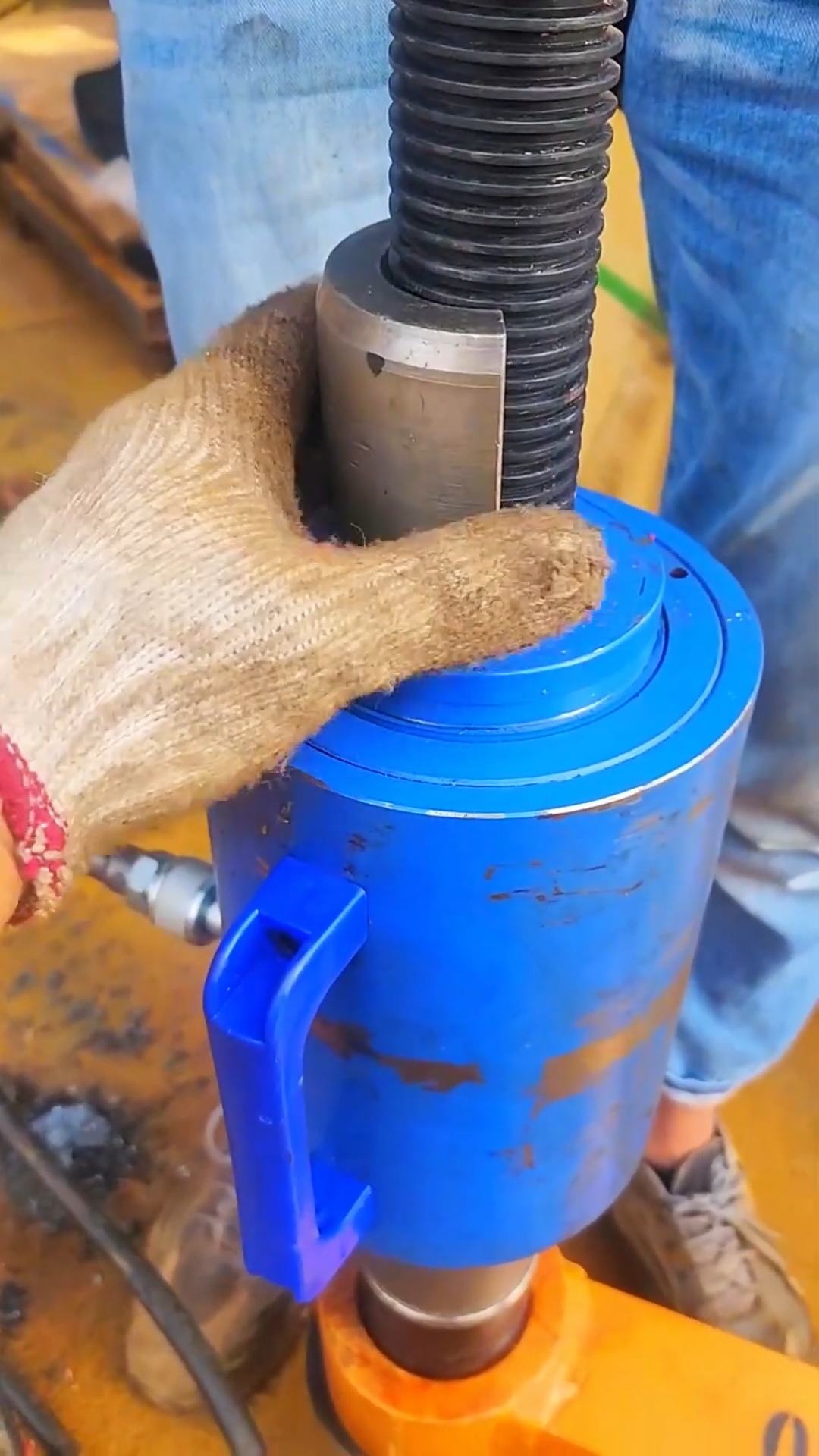
A hydraulic nut is a mechanical fastening device that contains an internal hydraulic chamber. When hydraulic oil is pumped into the chamber, pressure pushes a piston outward, creating a powerful axial force. This force allows components to be mounted or positioned accurately without excessive manual effort.
Hydraulic nuts are widely used where large shafts and heavy machine parts must be installed with exact positioning. Their ability to deliver consistent force helps eliminate uneven loading that could damage expensive components.
Why Accurate Positioning Is Important
Proper positioning is essential for maintaining machine efficiency and reliability.
If a bearing is mounted too tightly, excessive friction may generate heat and shorten its service life. If positioned too loosely, vibration and misalignment can occur, leading to premature wear or even catastrophic failure.
Hydraulic positioning allows technicians to move components gradually while monitoring measurements with precision instruments, ensuring every part reaches its specified location.
Preparing the Equipment
Every successful installation begins with careful preparation.
Technicians inspect the shaft, threads, bearings, and hydraulic nut for damage, corrosion, or contamination. All contact surfaces are thoroughly cleaned to remove dirt, grease, rust, and metal particles.
Clean surfaces ensure accurate positioning and reduce the risk of improper seating during assembly.
Proper lubrication is also applied where recommended by the equipment manufacturer.
Selecting the Correct Hydraulic Nut
Hydraulic nuts are available in various sizes and pressure ratings.
Choosing the correct model depends on shaft diameter, thread specifications, required mounting force, and the type of machinery being assembled.
Using an incorrectly sized hydraulic nut may reduce installation accuracy or damage the equipment.
Professional technicians always verify manufacturer specifications before beginning the installation.
Installing the Hydraulic Nut
The hydraulic nut is threaded onto the shaft until it reaches the component requiring positioning.
Care is taken to ensure the threads engage smoothly without cross-threading. Proper alignment during this stage prevents unnecessary stress on both the shaft and the hydraulic nut.
The hydraulic hose is then connected securely to the pressure port.
Applying Hydraulic Pressure
With everything properly aligned, hydraulic oil is pumped into the nut using a manual or powered hydraulic pump.
As pressure increases, the internal piston moves forward, generating controlled axial force against the component.
Unlike hammering or excessive wrench force, hydraulic pressure provides smooth and evenly distributed movement.
Technicians increase pressure gradually while carefully observing both pressure gauges and component movement.
Monitoring Component Position
During hydraulic positioning, measurements are constantly checked.
Dial indicators, digital measuring tools, or precision gauges help verify that the component is moving evenly and reaching its intended position.
Small adjustments can be made throughout the process, allowing extremely accurate installation.
This level of control is especially important for bearings, gears, and precision rotating equipment.
Locking the Component
Once the desired position has been achieved, the locking nut is tightened according to manufacturer recommendations.
Hydraulic pressure is slowly released after confirming that the component remains securely positioned.
The hydraulic equipment is disconnected, and the assembly undergoes a final inspection.
Proper locking ensures the component maintains its precise location during operation.
Safety During Hydraulic Positioning
Working with high hydraulic pressure requires strict safety procedures.
Technicians wear protective gloves, eye protection, and safety footwear throughout the operation.
Hydraulic hoses, pumps, and fittings are inspected before use to detect leaks or damage.
No one should stand directly in line with pressurized components while hydraulic force is being applied.
Controlled pressure increases are always preferred over sudden pumping to maintain safe working conditions.
Common Applications
Hydraulic nut positioning is used in many industrial sectors.
Large rolling bearings in mining equipment often require hydraulic installation due to their size and interference fit.
Wind turbine gearboxes rely on precise bearing positioning to ensure smooth operation under varying loads.
Heavy construction machinery uses hydraulic nuts during assembly of drive shafts and transmission systems.
Industrial presses, paper mills, marine propulsion systems, and steel manufacturing equipment also benefit from hydraulic positioning technology.
Common Installation Mistakes
Several mistakes can reduce assembly quality.
Applying pressure too quickly may move components beyond their specified position.
Using contaminated hydraulic oil can affect pressure consistency and damage seals.
Incorrect pressure readings may result from faulty gauges or improperly calibrated equipment.
Skipping measurement checks can lead to alignment errors that shorten equipment life.
Professional technicians avoid these problems by following detailed installation procedures and manufacturer guidelines.
Benefits of Hydraulic Positioning
Hydraulic positioning offers numerous advantages over conventional installation methods.
It produces highly accurate component placement while reducing manual labor.
Uniform force distribution minimizes the risk of bearing damage or shaft distortion.
Installation time is significantly reduced, especially for large industrial equipment.
Maintenance becomes easier because hydraulic nuts also simplify future component removal.
The controlled process improves safety while delivering consistent assembly quality.
Inspection After Installation
After positioning is complete, technicians perform a thorough inspection.
Pressure records, component dimensions, alignment measurements, and fastener security are all verified.
Rotating components are checked for smooth operation before the machinery is returned to service.
Documenting installation data provides valuable information for future maintenance and quality control.
Preventive Maintenance
Hydraulic nuts require periodic maintenance to ensure reliable performance.
Threads should remain clean and lightly lubricated when stored.
Hydraulic seals should be inspected for wear or leakage.
Pressure gauges and pumps require regular calibration to maintain measurement accuracy.
Proper storage protects hydraulic components from corrosion and contamination.
Routine maintenance extends equipment life and ensures dependable operation during future installations.
The Future of Hydraulic Assembly Technology
Industrial assembly continues to evolve with advances in hydraulic technology.
Modern hydraulic systems now feature digital pressure monitoring, wireless sensors, and computer-assisted positioning that improve accuracy even further.
Some advanced systems automatically record installation pressure and displacement data for quality assurance.
These innovations help manufacturers improve production efficiency while reducing assembly errors and equipment downtime.
Final Thoughts
The nuts hydraulic positioning process is an essential technique in modern heavy equipment assembly. By using controlled hydraulic pressure instead of relying solely on manual force, technicians can position bearings, gears, couplings, and other critical components with exceptional accuracy.
From careful preparation and equipment inspection to gradual pressure application, precise measurement, and final verification, every stage contributes to a reliable and long-lasting assembly. As industries continue to demand greater precision, hydraulic positioning remains one of the most effective solutions for ensuring the safety, durability, and performance of heavy machinery. It is a perfect example of how modern engineering combines advanced technology with skilled workmanship to achieve outstanding industrial results.