Installing stainless steel water pipes requires precision, proper tools, and careful workmanship. Modern plumbers use specialized installation tools such as pipe cutters, deburring tools, hydraulic press machines, and press jaws to complete the job quickly while ensuring every connection is strong and leak-free. Below is the complete step-by-step process used by professionals.
Step 1: Prepare the Work Area
Begin by cleaning the installation area and reviewing the plumbing layout. Gather all required tools, including a tape measure, stainless steel pipe cutter, deburring tool, marker, hydraulic press tool, press jaws, pipe clamps, safety gloves, and safety glasses. Preparing everything before starting makes the installation smoother and more efficient.
Step 2: Measure the Pipe
Measure the exact pipe length according to the installation drawing. Use a tape measure for accuracy and mark the cutting point with a permanent marker. Professional installers always measure twice before making a cut to reduce waste and ensure every section fits perfectly.
Step 3: Cut the Stainless Steel Pipe
Place the pipe securely inside the stainless steel pipe cutter. Rotate the cutter around the pipe while gradually tightening the cutting wheel. Continue until the pipe separates with a clean, straight edge. A square cut is essential for creating a reliable press connection.
Step 4: Remove Burrs
After cutting, inspect both ends of the pipe. Use a deburring tool to remove all sharp edges from the inside and outside. This step protects the sealing ring inside the fitting and allows water to flow smoothly without restriction.
Step 5: Clean the Pipe
Wipe the pipe thoroughly using a clean cloth. Remove metal particles, dust, oil, or moisture that could affect the fitting. Clean surfaces help produce stronger and more reliable connections during pressing.
Step 6: Mark the Insertion Depth
Insert the pipe into the stainless steel press fitting until it reaches the internal stop. Mark the insertion depth on the pipe with a marker. This reference line helps confirm the pipe remains fully inserted throughout the pressing operation.
Step 7: Position the Fitting
Slide the fitting onto the pipe until it reaches the insertion mark. Check that the fitting sits straight without twisting. Proper alignment is necessary for achieving an even compression around the entire fitting.
Step 8: Install the Press Tool
Select the correct press jaw that matches the fitting size. Attach it securely to the hydraulic or battery-powered press machine. Open the jaw and position it completely around the fitting before operating the tool.
Step 9: Press the Connection
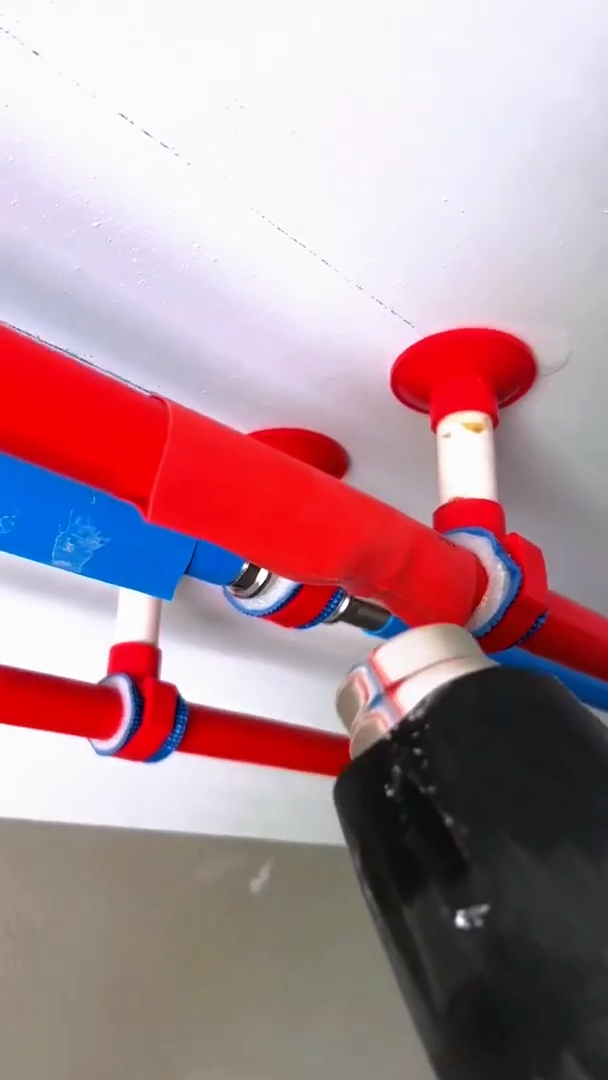
Pull the trigger on the press tool. The hydraulic system applies powerful pressure, permanently compressing the fitting around the pipe. Within seconds, the connection is complete without welding, soldering, or threading. This modern method provides fast and consistent results.
Step 10: Continue the Installation
Repeat the measuring, cutting, deburring, cleaning, fitting, and pressing process for every section of pipe. Use a spirit level frequently to keep the pipeline straight. Install pipe clamps at recommended intervals to support the system and prevent movement.
Step 11: Connect Valves and Fixtures
Once the main pipeline has been assembled, install valves, faucets, filters, or other plumbing components. Tighten threaded fittings carefully without applying excessive force. Proper alignment ensures smooth operation and simplifies future maintenance.
Step 12: Pressure Test the System
Connect a pressure testing pump to the completed plumbing system. Gradually increase the pressure according to the manufacturer’s recommendations and inspect every joint carefully. If no leaks appear, the installation is successful and ready for service.
Final Step: Inspect the Finished Installation
Complete the project by checking pipe alignment, clamp spacing, pressed fittings, and overall workmanship. Clean the entire installation area and remove any remaining debris. A properly installed stainless steel water pipe system delivers excellent durability, dependable water flow, and long-lasting performance. By following each step carefully and using professional installation tools, plumbers can complete installations efficiently while ensuring every connection is secure, safe, and built to last for many years.