Installing a circular stair handrail requires accurate measurements, careful alignment, and precise fitting because the handrail follows a curved staircase. A properly installed handrail provides comfortable support while improving the safety and appearance of the stairway. The following step-by-step process explains how a circular handrail can be prepared, fitted, secured, and finished.
Step 1: Inspect the Staircase
Begin by examining the circular staircase and surrounding structure. Check that the stairs, posts, walls, and supporting surfaces are structurally sound. Remove loose materials and identify the planned handrail path. Confirm that the installation will meet applicable building requirements for height, clearance, and accessibility.
Step 2: Measure the Curved Path
Measure the staircase carefully along the intended handrail route. Determine the overall length, radius, height, and starting and ending points. Use a flexible measuring tape or suitable template to follow the curve accurately. Record the measurements and verify them before preparing the handrail.
Step 3: Select the Handrail Material
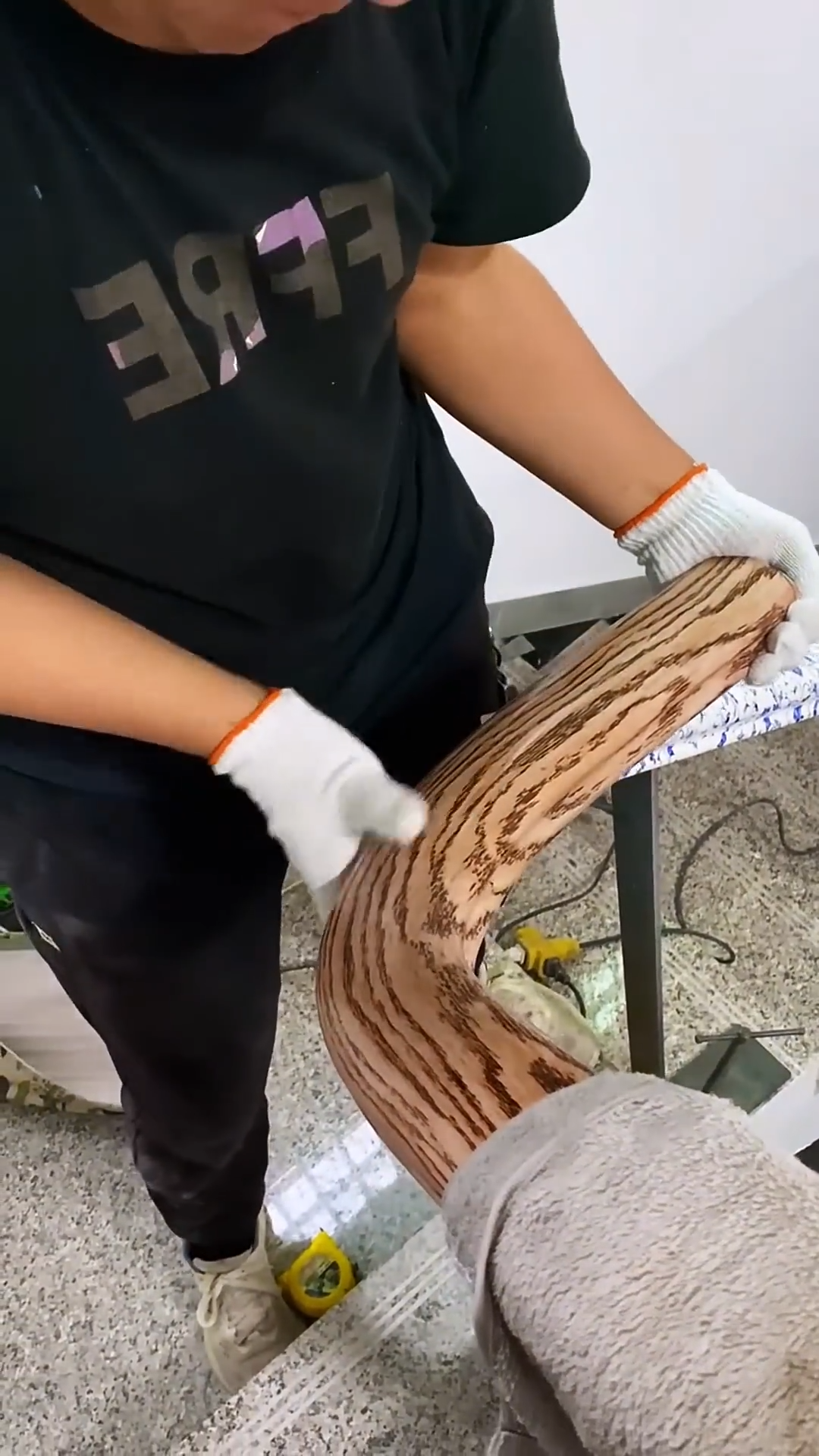
Choose a suitable handrail material such as hardwood, stainless steel, aluminum, or another approved material. Inspect the handrail for cracks, warping, scratches, or other defects. For a wooden handrail, ensure the grain and finish are suitable for bending and shaping around the curved staircase.
Step 4: Prepare the Handrail
Cut the handrail to the required length, allowing for any end returns or connection details. If the handrail must follow a tight curve, form it using an appropriate bending, laminating, or fabrication method. Smooth rough edges and test-fit the handrail before applying its final finish.
Step 5: Mark the Support Locations
Determine the positions of brackets, balusters, or structural posts along the staircase. Mark each location carefully while maintaining consistent spacing. Use a level and measuring tools to ensure that the support points follow the intended handrail height throughout the curve.
Step 6: Install the Supports
Drill the required mounting holes and install the brackets or support posts using fasteners suitable for the underlying structure. Where possible, fix supports directly into structural framing rather than relying only on weak surface materials. Tighten the fasteners securely while keeping the supports correctly aligned.
Step 7: Position the Handrail
Carefully place the prepared handrail onto the installed supports. For a long or heavy curved handrail, use temporary supports or assistance to prevent it from falling or becoming damaged. Align the handrail with the staircase curve and check its height at several points.
Step 8: Secure the Handrail
Attach the handrail to the brackets or posts using the specified screws, bolts, or mounting hardware. Begin at one end and work progressively toward the other, checking the alignment as you go. Avoid overtightening fasteners, especially when working with wood or thin metal, because excessive force can cause cracking or deformation.
Step 9: Check the Curve and Surface
Run a hand carefully along the completed handrail to check for sharp edges, uneven joints, or rough sections. Inspect the curve visually from several angles. Verify that the handrail remains stable when moderate pressure is applied and that there are no loose supports or excessive movement.
Step 10: Complete the Final Finish
Sand and smooth wooden handrails before applying stain, paint, oil, or protective coating. Stainless steel and aluminum handrails can be cleaned and polished according to the manufacturer’s recommendations. Remove installation dust and inspect every connection one final time. Confirm that the handrail provides continuous support along the staircase and maintains the required clearance from walls and other obstacles. Periodically inspect mounting brackets, posts, joints, and surface finishes for signs of loosening or damage. Tighten or repair components promptly when necessary. Accurate measurement, properly spaced supports, secure fastening, and careful finishing help create a strong, comfortable, and attractive circular stair handrail that provides dependable support and enhances the overall appearance of the staircase for many years.