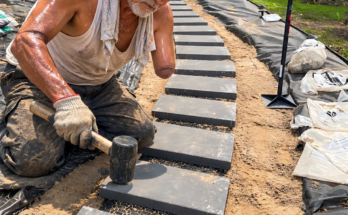
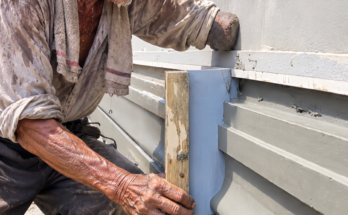
Water seepage around a balcony window can cause damp walls, peeling paint, mold growth, damaged plaster, and deterioration of surrounding materials. Repairing the problem requires identifying the source of water entry and restoring the damaged sealing and waterproofing system. The following step-by-step process explains a typical balcony exterior wall window seepage repair.
Step 1: Inspect the Leakage Area
Begin by examining the window, exterior wall, balcony surface, and surrounding joints. Look for cracks, damaged sealant, loose window frames, open gaps, damaged plaster, or signs of water staining. Check both the interior and exterior sides to identify the possible path of water penetration.
Step 2: Identify the Source of Seepage
Determine whether the water enters through the window frame, wall cracks, balcony floor, drainage area, or joints between different materials. A controlled water test may help identify the leaking area. Apply water gradually to one section at a time and observe the interior for signs of moisture.
Step 3: Remove Damaged Materials
Remove loose paint, damaged plaster, old sealant, and deteriorated waterproofing material around the affected area. Use suitable hand tools to expose the sound surface beneath. Do not apply new waterproofing over loose or damaged material.
Step 4: Clean the Surface
Clean the repair area thoroughly to remove dust, dirt, mold, loose particles, and old adhesive residue. Allow the surface to dry as required by the repair material. A clean and properly prepared surface helps improve the adhesion of sealants and waterproof coatings.
Step 5: Repair Wall Cracks
Inspect the exterior wall for visible cracks around the window opening. Clean the cracks and repair them using a suitable exterior-grade filler, repair mortar, or flexible crack repair material. Larger or moving cracks may require a repair method designed for structural or movement-related conditions.
Step 6: Reseal the Window Frame
Remove damaged or separated sealant from the joint between the window frame and wall. Clean the joint and apply a compatible exterior-grade flexible sealant. Ensure that the sealant forms a continuous barrier around the required sections of the frame while allowing for normal movement caused by temperature changes.
Step 7: Repair the Balcony Waterproofing
Check the balcony floor and wall junctions for damaged waterproofing. Repair cracks, gaps, and weak areas using a compatible waterproofing system. Pay particular attention to corners, wall junctions, pipe penetrations, and areas near the window because these locations are common paths for water penetration.
Step 8: Check the Drainage System
Inspect the balcony drain and surrounding floor slope. Remove leaves, dirt, and construction debris that may block water flow. Standing water near the exterior wall or window can increase the risk of seepage. Ensure water is directed toward the drainage point rather than collecting against the wall.
Step 9: Apply Protective Waterproof Coating
After the repaired surfaces have been properly prepared, apply a suitable exterior waterproof coating or membrane where required. Follow the manufacturer’s instructions for surface preparation, application thickness, drying time, and the number of coats. Ensure repaired areas overlap with the surrounding waterproofed surfaces to create continuous protection.
Step 10: Test and Inspect the Repair
Allow all sealants, repair materials, and waterproof coatings to cure properly. Perform a controlled water test on the exterior balcony wall and window area. Check the interior wall for moisture, staining, or leakage. If no seepage appears, restore damaged paint or interior finishes.
Finally, inspect the balcony window and exterior wall regularly, especially after heavy rain. Keep drainage openings clear and repair damaged sealant, cracks, or waterproof coatings as soon as problems appear. Proper surface preparation, crack repair, flexible window sealing, effective drainage, and continuous waterproofing help protect the balcony and interior walls from long-term water damage.